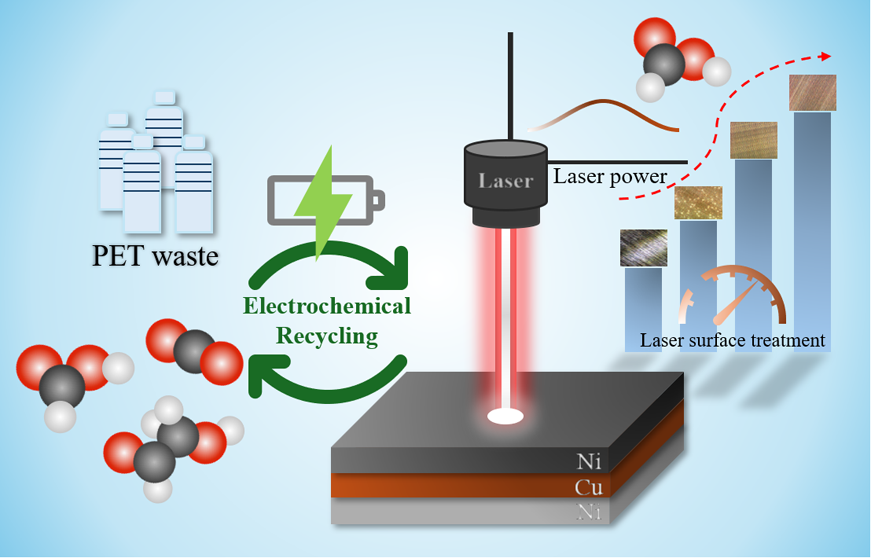
고급 광촉매 공정을 통한 수질 오염물질 제거, PET 플라스틱 재활용·업사이클링, 유해 대기오염물질 정화 촉매 설계.
Keywords
Water purification · Plastic upcycling · Air pollution control
대표 논문
- 2
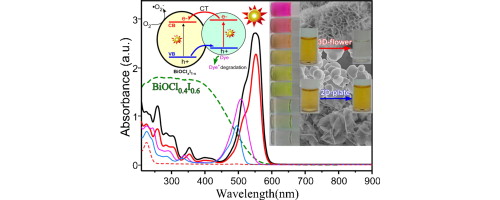
Adsorption and UV/Visible photocatalytic performance of BiOI for methyl orange, Rhodamine B and methylene blue: Ag and Ti-loading effects
Yohan Park; Yulyi Na; Debabrata Pradhan; Bong-Ki Min; Youngku Sohn
CrystEngComm 2014, 16, 3155-3167. DOI ↗ 📊 인용 ↗
📄 초록 (English) ▾
Adsorption and UV/visible photocatalytic activity of echinoid-like Ag and Ti-loaded BiOI were tested for methyl orange, Rhodamine B and methylene blue.
- 3
Antimicrobial activity of ZnO nanoplates and its Ag nanocomposites: Insight into an ROS-mediated antibacterial mechanism under UV light
Ara Joe; Se-Ho Park; Da-Jung Kim; Yeong-Ju Lee; Kwang-Hwan Jhee; Youngku Sohn; Eue-Soon Jang
Journal of Solid State Chemistry 2018, 267, 124-133. DOI ↗ 📊 인용 ↗
📄 초록 (English) ▾
We have previously shown that the bactericidal effect of ZnO nanoparticles in the absence of a light source originates from the released Zn2+ ions. The purpose of this study was to explore antibacterial activity arising from photo-induced reactive oxygen species (ROS) of ZnO nanoparticles under UV-A light irradiation. To achieve this, S. aureus and K. pneumoniae bacteria were exposed to three different ZnO nanoparticles under UV-A light. The concentrations of the ZnO nanoparticles were low, such that the antibacterial effect of the dissolved Zn2+ ions was negligible. From various empirical evidence, we found that the oxygen defects of the ZnO crystals enhanced the photogeneration of ROS and consequently, the ZnO nanoplates (NPs) with the polar facets exhibited the most pronounced antibacterial activity under UV-A stimulation. To enhance the antimicrobial activity of the NPs, we successfully synthesized silver-nanoparticle-decorated ZnO NPs and explored their antibacterial activity compared to that of the NPs.
- 4
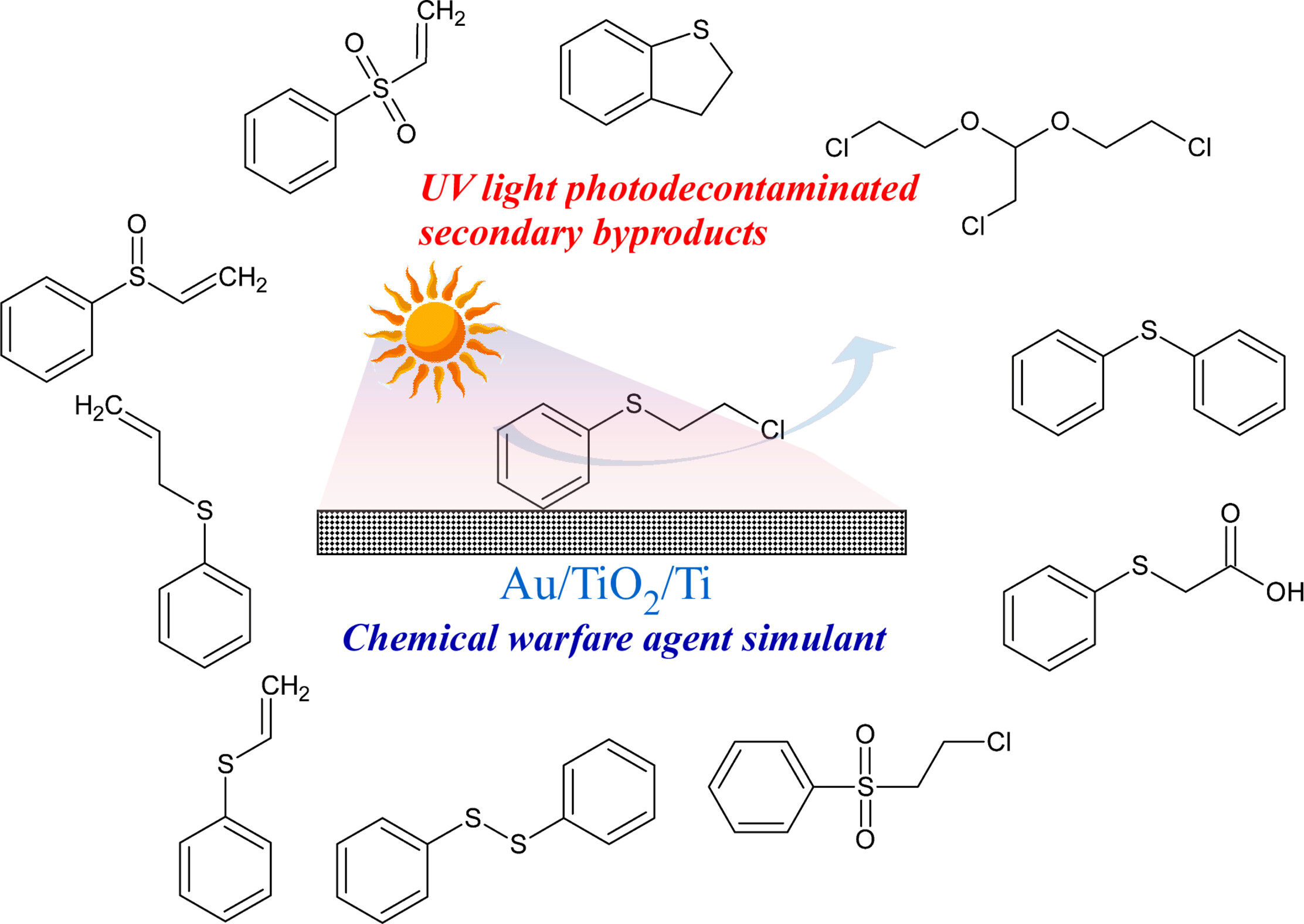
Ultraviolet Light‐Assisted Decontamination of Chemical Warfare Agent Simulant 2‐Chloroethyl Phenyl Sulfide on Metal‐Loaded TiO2/Ti Surfaces
Hye Ji. Jang; Gaeun Yun; Huieun Shim; Seon Young Hwang; So Young Kim; Jeongkwon Kim; Heesoo Jung; Mohammad Mansoob Khan; Youngku Sohn
ChemistryOpen 2024, 13, e202300246. DOI ↗ 📊 인용 ↗
📄 초록 (English) ▾
The application of ultraviolet (UV) light for the decontamination of chemical warfare agents (CWAs) has gained recognition as an effective method, especially for treating hard‐to‐reach areas where wet chemical methods are impractical. In this study, TiO 2 /Ti was employed as a model catalyst, which was contaminated with 2‐chloroethyl phenyl sulfide (CEPS), and subjected to photocatalytic decontamination using both UVB and UVC light. Additionally, photocatalytic decontamination efficiency by introducing Au, Pt, and Cu onto the TiO 2 /Ti surface was explored. During the photodecomposition process under UVC light, at least eight distinct secondary byproducts were identified. It was observed that the introduction of overlayer metals did not significantly enhance the photodecomposition under UVC light instead overlaid Au exhibited substantially improved activity under UVB light. Whereas, photodecomposition process under UVB light, only five secondary products were detected, including novel compounds with sulfoxide and sulfone functional groups. This novel study offers valuable insights into the generation of secondary products and sheds light on the roles of overlayer metals and photon wavelength in the photodecontamination process of CWA.
- 5
Effective inactivation of Bacillus atrophaeus spores and Escherichia coli on disposable face masks using ultraviolet laser irradiation
My-Chi Thi Nguyen; Huu-Quang Nguyen; Hanbyeol Jang; Sojung Noh; Youngku Sohn; Kiju Yee; Heesoo Jung; Jeongkwon Kim
Journal of Analytical Science and Technology 2022, 13, 23. DOI ↗ 📊 인용 ↗
📄 초록 (English) ▾
Due to the widespread emergence of COVID-19, face masks have become a common tool for reducing transmission risk between people, increasing the need for sterilization methods against mask-contaminated microorganisms. In this study, we measured the efficacy of ultraviolet (UV) laser irradiation (266 nm) as a sterilization technique against Bacillus atrophaeus spores and Escherichia coli on three different types of face mask. The UV laser source demonstrated high penetration of inner mask layers, inactivating microorganisms in a short time while maintaining the particle filtration efficiency of the masks. This study demonstrates that UV laser irradiation is an efficient sterilization method for removing pathogens from face masks.