
Department of Chemistry · Chungnam National University
Energy Environment
Solution Laboratory
We design electrochemical routes that turn CO2, water, and nitrogen into fuels and value-added chemicals — pioneering EC Fischer–Tropsch chemistry for a carbon-neutral future.
Electrochemistry · Catalysis · Physical Chemistry · Spectroscopy · Nanochemistry
Research
Controlling molecular transformation at electrified interfaces
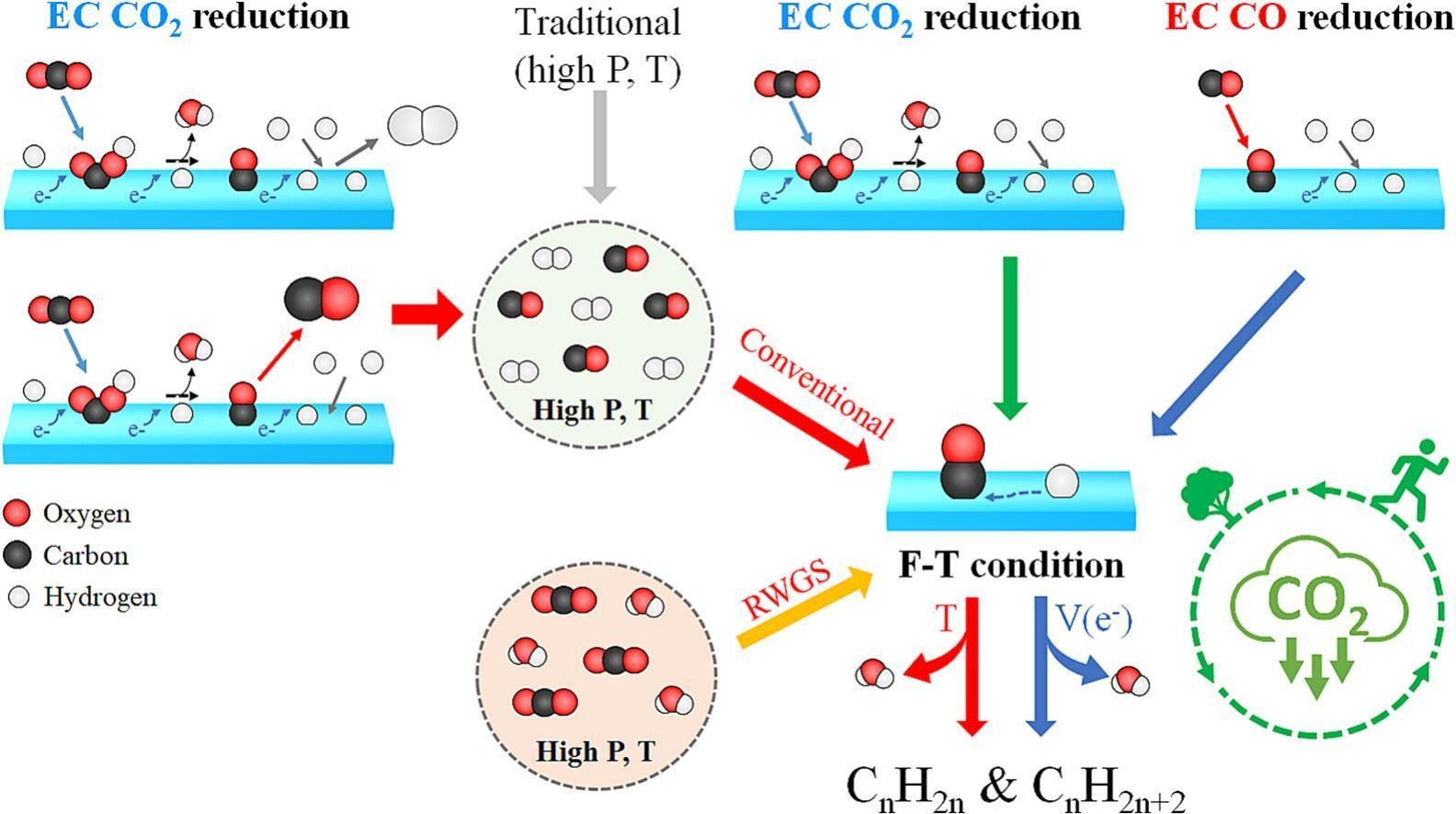
EC Fischer–Tropsch
Electrochemically driving C–C coupling to convert CO2/CO into long-chain fuels and chemicals.
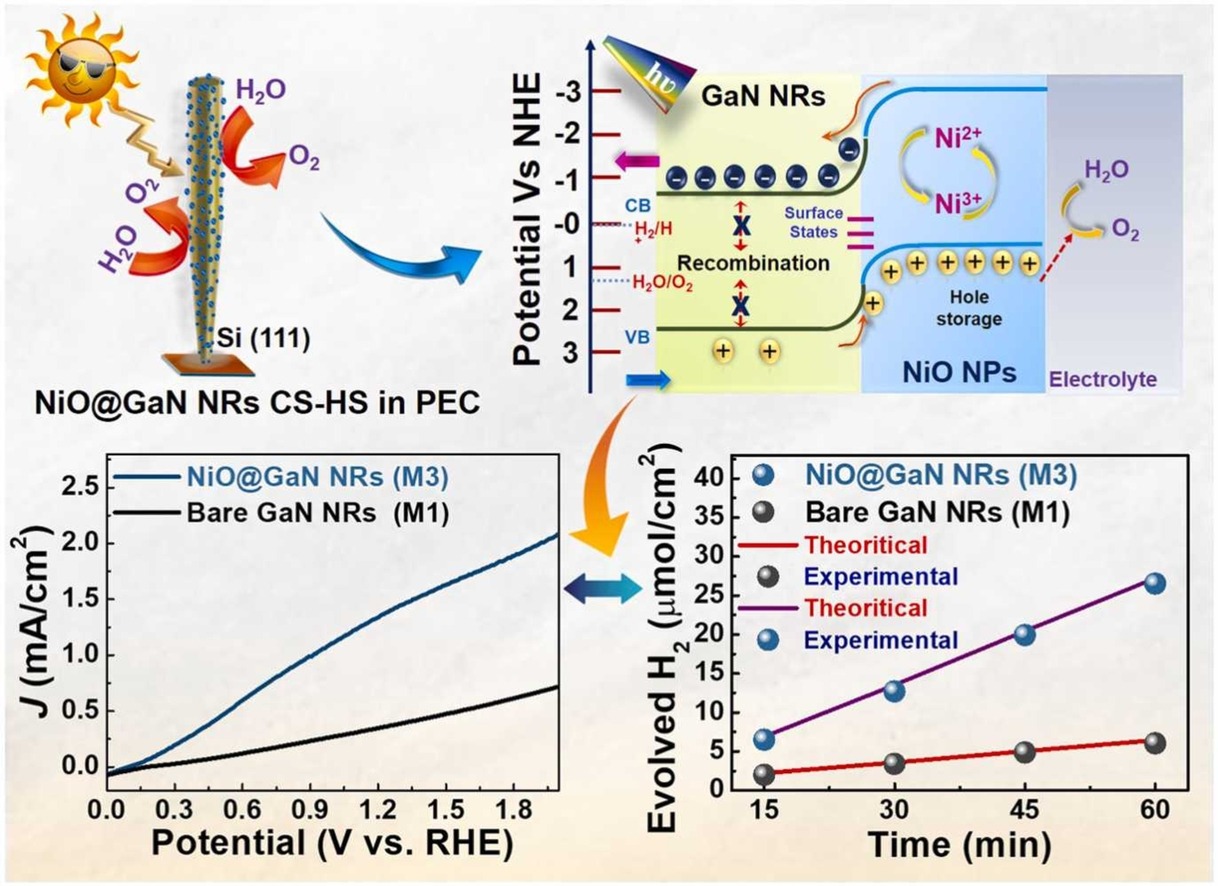
Green Hydrogen
Clean H2 production via electrochemical water splitting with earth-abundant electrocatalysts.
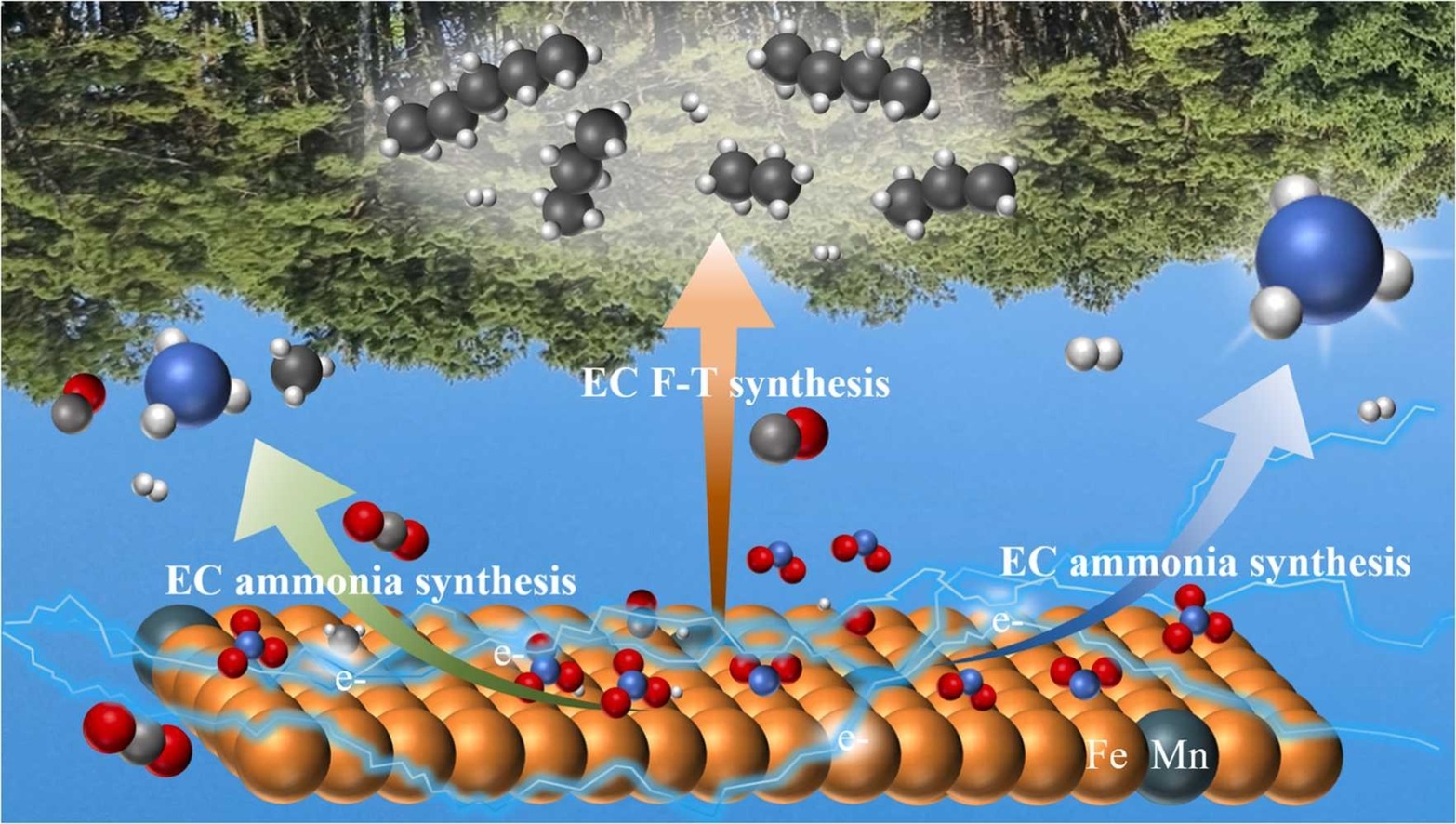
Electrochemical NH3 Synthesis
Transforming NOx, nitrite, and nitrate into valuable ammonia through electrochemical pathways.
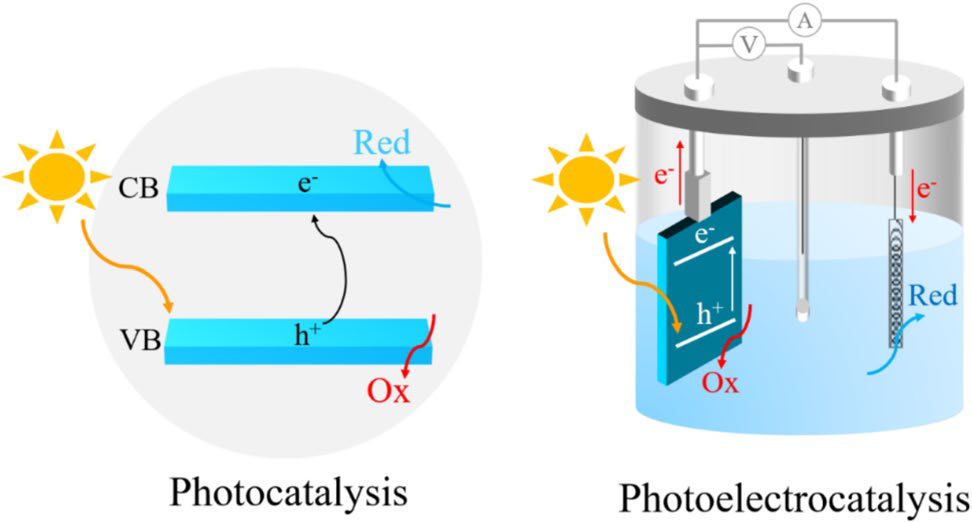
Photon & Plasma-to-X
Solar, thermal, and plasma-driven chemical conversion complementing electrochemistry.
Publications
Selected & recent papers
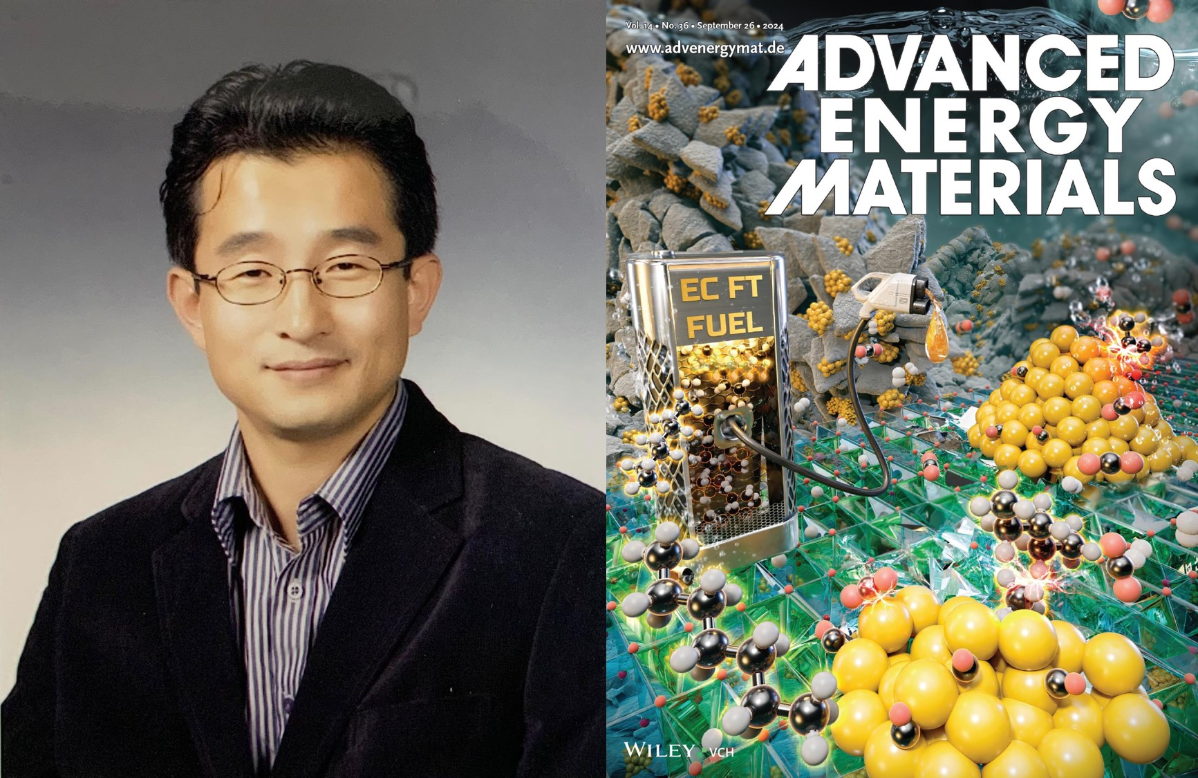
Journal Cover Article
Exploring Direct Electrochemical Fischer–Tropsch Chemistry of C1–C7 Hydrocarbons via Perimeter Engineering of Au–SrTiO3 Catalyst
Advanced Energy Materials · 2024 Link ↗
-
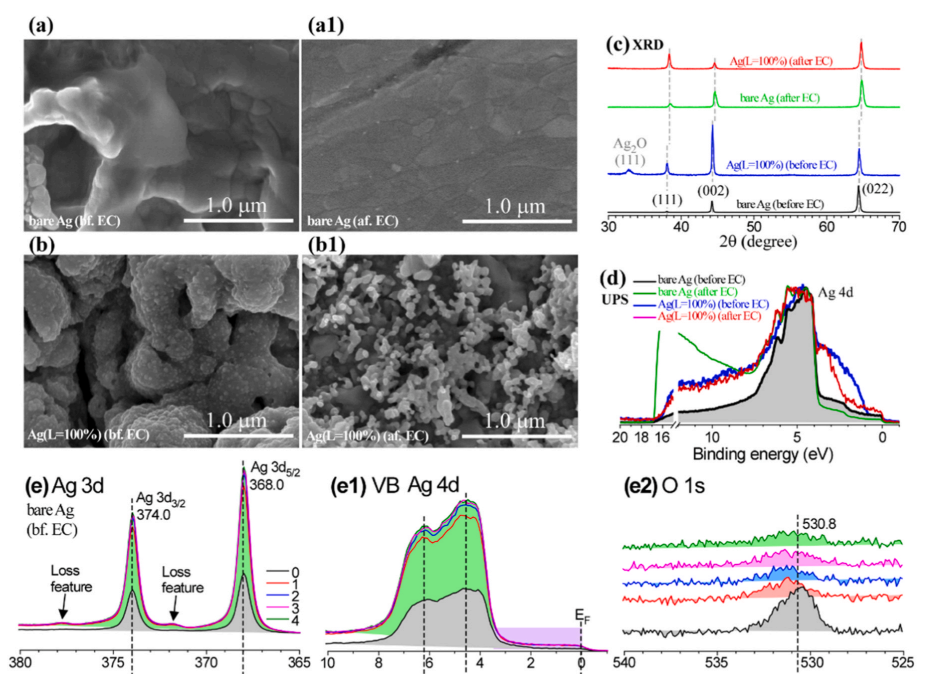
Laser-engineered Ag/Ag oxide interfaces for tunable CO2 reduction: Mechanistic insights from experiment and theory
Mater. Today Energy 2026. DOI ↗ 📊 인용 ↗
📄 Abstract ▾
Interface engineering of silver (Ag) electrodes provides an effective strategy to tune activity and selectivity in electrochemical CO2 reduction (CO2RR). Here, Ag and Ag oxide (Ag/AgxO) electrodes were prepared via controlled infrared (1064 nm) laser treatment and evaluated in KHCO3 and phosphate electrolytes. Laser-induced surface restructuring modified oxidation states, crystallographic orientations, and interfacial electronic properties, leading to electrolyte- and potential-dependent shifts in product distribution. In KHCO3 electrolyte, CO remained the dominant product, whereas phosphate electrolyte significantly enhanced CO selectivity with increasing laser treatment. Oxidized Ag surfaces suppressed hydrogen, formate, and C2+ hydrocarbons. Product selectivity showed clear potential dependence: CO and C2+ hydrocarbons peaked at moderate potentials, while formate formation increased at more negative potentials. Long-chain C2+ hydrocarbons followed a Fischer-Tropsch-like growth trend. Electrochemical impedance spectroscopy revealed changes in charge-transfer kinetics and interfacial capacitance. Density functional theory calculations indicate that CO formation via COOH intermediates is favored on Ag(111) and Ag2O(111), whereas formate formation via HCOO* is more favorable on metallic Ag. These results clarify how Ag/Ag oxide interfaces regulate CO2RR pathways.
-
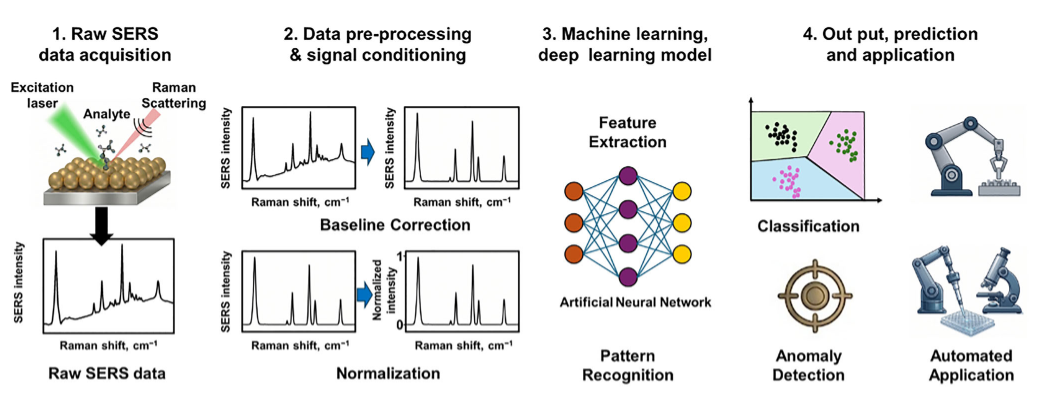
Integration and Implementation of Machine Learning & Artificial Intelligence in Surface‐Enhanced Raman Spectroscopy
Advanced Sensor Research 2026. DOI ↗ 📊 인용 ↗
📄 Abstract ▾
Surface-enhanced Raman spectroscopy (SERS) is an analytical technique widely used for molecular identification and trace detection, offering minimal sample preparation, high sensitivity, molecular fingerprinting, and quantitative capability. However, SERS measurements generate large, complex spectral datasets whose interpretation is time-consuming and requires specialized expertise. The integration of artificial intelligence (AI) and machine learning (ML) provides effective strategies for automated data processing, feature extraction, and pattern recognition, enabling a new generation of intelligent SERS sensing platforms. Unlike previous reviews, which have largely catalogued AI/ML-SERS applications by domain, this work provides a critical synthesis structured around four contributions: (i) a workflow-level taxonomy linking SERS data characteristics to algorithm selection; (ii) a quantitative meta-analysis of approximately 40 representative studies covering the distribution of reported accuracies, the relationship between dataset size and reported performance, and the temporal shift from classical chemometrics to deep learning; (iii) a dedicated assessment of validation pitfalls specific to AI/ML-SERS, including substrate batch effects, technical-replicate leakage, spectrum-level versus sample-level splitting, and the absence of external validation cohorts; and (iv) a practical reporting checklist for future AI/ML-SERS studies. By foregrounding methodological rigor rather than enumeration, the review aims to support both SERS practitioners adopting AI/ML and ML researchers entering spectroscopic sensing.
-
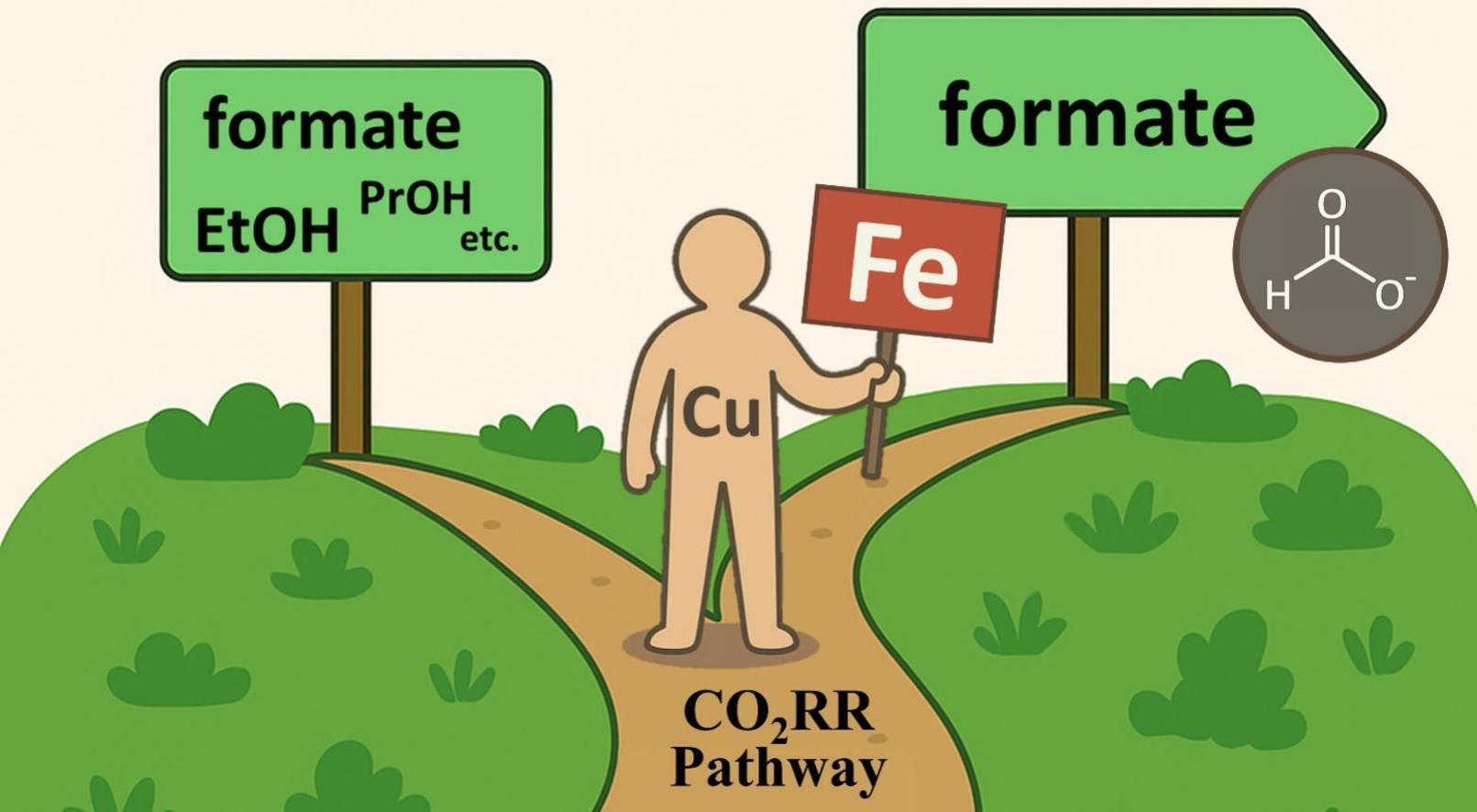
Switching CO2 reduction pathways: Iron drives copper toward formate selectivity
Appl. Surf. Sci. 2026. DOI ↗ 📊 인용 ↗
📄 Abstract ▾
Electrochemical CO2 reduction (CO2RR) on copper (Cu) typically produces a broad spectrum of products, making it difficult to selectively generate desired chemicals. Here, we show that incorporating trace amounts of iron (Fe) into Cu electrodes enables a phase-selective modulation of CO2RR pathways. In the liquid phase, Fe incorporation significantly enhances formate selectivity, while concurrently suppressing the formation of other liquid products such as ethanol and propanol. In the gas phase, Fe promotes C3+ hydrocarbon formation, increasing their Faradaic efficiency while diminishing the yields of C2 species like ethylene. Structural and spectroscopic characterizations reveal that Fe induces electronic and morphological reconfiguration of the Cu surface, including facet redistribution, oxide formation, and local coordination changes. This dual-phase selectivity control via Fe doping offers a new design principle for tuning product distributions in CO2RR and advancing catalytic strategies for sustainable carbon conversion.
News